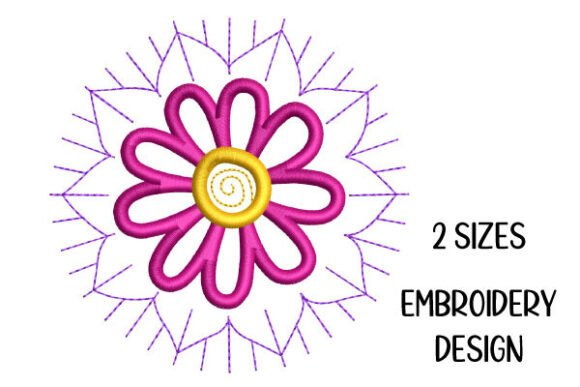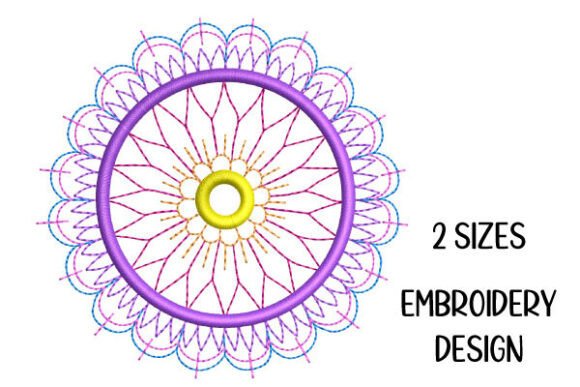
Delicate Mandala Flower Small Embroidery Review
As a professional embroidery designer who has spent years translating digital concepts into tangible threads for small businesses, I approach every new machine embroidery design with a critical eye. The goal is never just to create something pretty; it is to ensure the design translates effectively onto commercial merchandise, withstands the rigors of daily wear, and elevates the brand identity of the client. Recently, I evaluated the Delicate Mandala Flower Small Embroidery, a file marketed as an emblem that infuses sophistication into any item. My review focuses on how this specific digital embroidery file performs when moved from a screen to real-world applications like branded patches, staff uniforms, and boutique merchandise.
First Impressions: Sophistication Meets Versatility
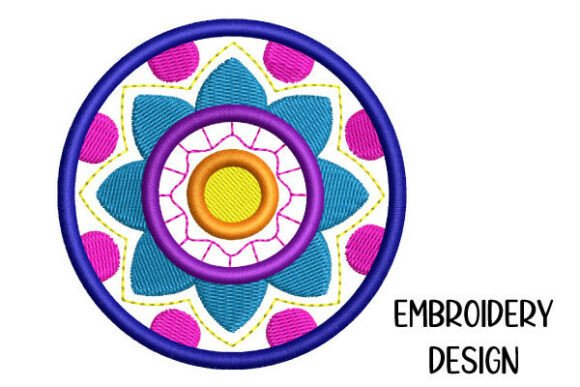
Upon opening the preview for Delicate Mandala Flower Small Embroidery, the immediate impression is one of refined elegance. The description promises a design that is "delicate yet intricate," and visually, it delivers on that promise. For small business owners looking to move away from bold, blocky logos toward something more artisanal, this design offers a distinct aesthetic. It feels premium and classic, avoiding the clutter often found in overly complex patterns. This makes it an excellent candidate for brands in the wellness, florist, bakery, or high-end handmade sectors where a soft, inviting visual language is crucial.
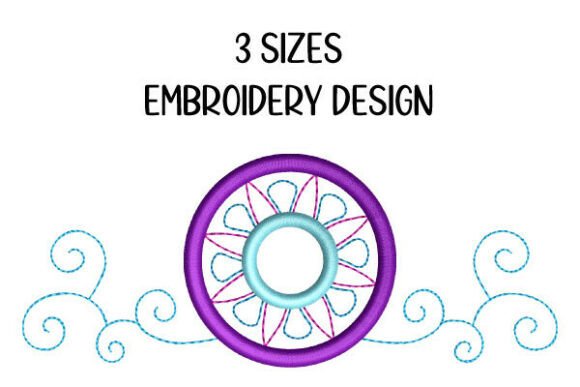
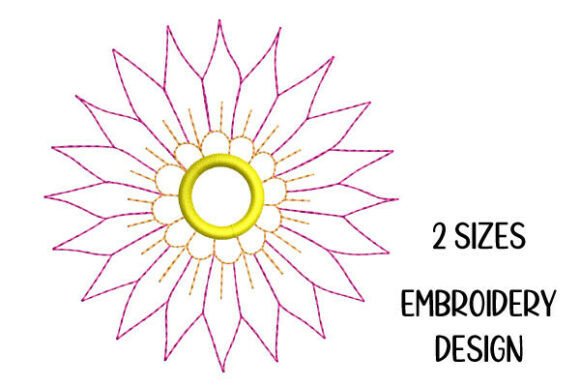
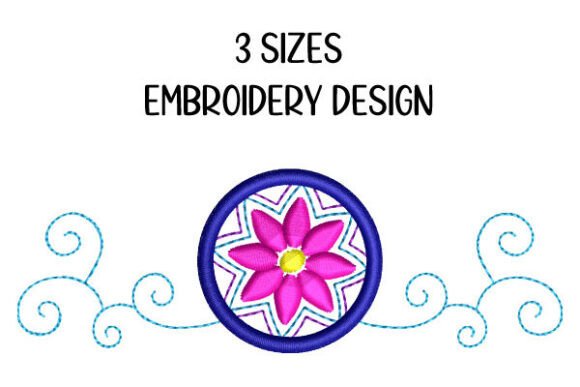
The availability of two versatile sizes is a significant advantage for a commercial embroidery project. Many designers struggle with designs that only work at large scales, but having options allows for flexibility across different product lines. Whether you are branding a large tote bag or adding a subtle accent to a cap, the ability to scale without losing definition is key. However, the word "delicate" should trigger a caution flag regarding stitch density and fabric choice, which we will explore further.
Real-World Business Applications
When considering how Delicate Mandala Flower Small Embroidery functions in a production environment, several use cases stand out. This design is particularly well-suited for creating high-quality embroidered patches. Because the mandala structure is symmetrical and self-contained, it works beautifully as a standalone badge. A boutique could apply these patches to denim jackets, canvas tote bags, or even the back of aprons for a cohesive look.
Staff Uniforms and Apron Embroidery
For cafes, bakeries, and creative studios, apron embroidery is a powerful tool for team unity. Placing this mandala design on the chest pocket or the bib of an apron adds a touch of class without overwhelming the wearer. Unlike text-heavy logos, this floral motif remains legible and attractive even from a distance. Similarly, for retail staff, a small version on the sleeve of a polo shirt serves as a sophisticated detail that signals attention to quality.
Cap Embroidery and Headwear
Cap embroidery presents unique challenges due to the curved surface and limited space. The smaller size option of Delicate Mandala Flower Small Embroidery is ideal here. It can be centered on the front panel of a baseball cap or placed on the side of a flat-brim hat. The radial symmetry of the mandala ensures that the design looks balanced regardless of the viewing angle, making it a safe bet for headwear merchandising.
Tote Bags and Event Merchandise
In the realm of event merch and eco-friendly giveaways, the tote bag design market is saturated. Using a unique floral element like this helps a brand stand out. Imagine a linen tote bag featuring this design in earth tones; it immediately elevates the perceived value of the item. For Etsy sellers and craft business owners, this design acts as a perfect finishing touch on handmade products, transforming a simple bag into a branded accessory that customers want to carry proudly.
Critical Considerations for Production
While the aesthetic appeal is high, experienced decorators know that not all designs translate perfectly to every medium. There are specific scenarios where Delicate Mandala Flower Small Embroidery requires careful handling to avoid production issues.
Stitch Density and Fabric Texture
The term "intricate" implies fine details. On smooth fabrics like cotton twill or satin, these details will pop. However, on highly textured fabrics like heavy fleece, knit sweaters, or coarse canvas, the fine lines may get lost or cause puckering. It is vital to test the stitch density before committing to a bulk run. If the design is too dense for the chosen fabric, the finished product may feel stiff or uncomfortable against the skin.
Small Patch Sizes and Cap Fronts
While the design comes in two sizes, pushing the smallest iteration to its limit on a tiny patch or a very small cap front can result in thread crowding. If the lines are too close together, they may merge, causing the delicate nature of the flower to disappear. Always check the minimum recommended hoop size and ensure your machine can handle the tight turns required by the mandala's curves.
Dark Uniforms and Thread Colors
This design relies heavily on contrast to maintain its definition. On dark uniforms, using a single light color might not provide enough depth to show the intricacies of the petals. You may need to utilize multiple thread colors or add a subtle underlay to make the design stand out. Without proper contrast, the "sophistication" described in the product overview can quickly turn into a muddy, indistinct blob.
Impact on Brand Identity and Customer Trust
Choosing the right design assets is about more than just decoration; it is about communication. Delicate Mandala Flower Small Embroidery speaks to a customer base that values craftsmanship, mindfulness, and natural beauty. When a customer sees this level of detail on a branded item, it subconsciously reinforces the idea that the business cares about quality in all aspects of their operation.
For handmade brands, this design enhances the perception of the finished product. It bridges the gap between mass-produced items and custom artistry. By incorporating this motif into custom apparel or packaging accents, businesses can build stronger customer trust and recognition. It creates a visual consistency that makes the brand memorable, encouraging repeat purchases and social media engagement.
Practical Designer Notes for Implementation
Before integrating Delicate Mandala Flower Small Embroidery into your production workflow, follow these essential steps to ensure success:
- Test in Black and White First: Run a sample using a single color to verify the stitch path and spacing before investing in expensive multi-color thread changes.
- Check Hoop Size Compatibility: Confirm that your embroidery machine's hoop can accommodate the largest size without distorting the circular shape of the mandala.
- Inspect Spacing and Underlay: Ensure there is enough room between the inner and outer rings of the flower to prevent thread bunching.
- Select the Proper Stabilizer: Given the delicate nature of the design, use a cutaway stabilizer for knits and a tear-away for wovens to prevent shifting during stitching.
- Create a Printable Mockup: Generate a realistic printable mockup showing the design on your actual product (e.g., a cap or tote) for client approval before cutting fabric.
- Verify Commercial Licensing: As with any digital embroidery file, confirm that the license terms allow for commercial use on merchandise sold for profit.
- Compare Design Assets: Place the mandala next to other elements in your brand kit to ensure it complements your typography and existing logo marks.
In conclusion, Delicate Mandala Flower Small Embroidery is a valuable asset for small business merchandisers seeking to elevate their brand presentation. With proper testing and thoughtful application, it can transform standard items into premium branded goods that resonate with customers and stand the test of time.