Summer Flowers Embroidery Design Review
As a professional embroidery designer who has spent countless weekends setting up booths at craft fairs and managing online handmade shops, I know that the difference between a product that gathers dust and one that sells out often comes down to the design choice. Today, I am reviewing the Summer Flowers Embroidery Design. The goal is to determine if this pattern can truly bring the joy of summer into our creations and if it stands up to the rigors of a busy market day. When you are standing behind your table, surrounded by competitors, your designs need to speak instantly to the passerby.
First Impressions: A Burst of Cheerful Life
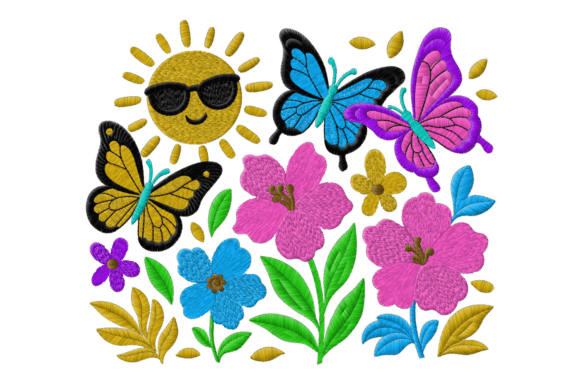
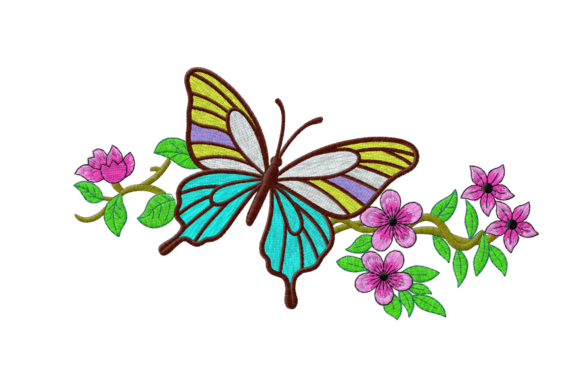
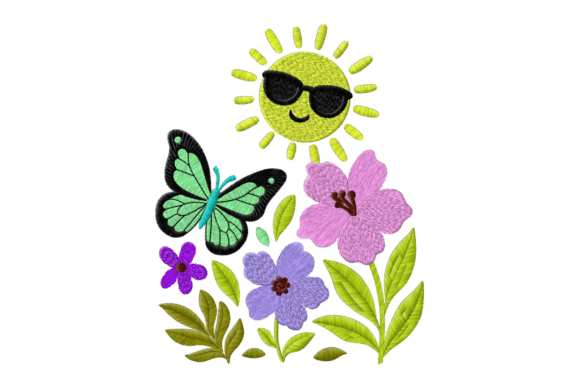
At first glance, the Summer Flowers Embroidery Design feels undeniably festive and bright. The description promises "bright, colorful, and cheerful floral elements that bloom with life," and as I review the digital file, that sentiment holds true. This is not a subtle, minimal piece; it is a bold statement of warmth and vitality. For a craft fair product, this is exactly what we want in the warmer months. Customers browsing for handmade gifts are looking for items that evoke emotion, and nothing says "summer" quite like vibrant florals.
The aesthetic leans towards a modern farmhouse style with a touch of vintage charm. It avoids being overly rustic or cluttered, striking a balance that appeals to both the young mother buying a tote bag and the boutique owner looking for unique home decor. The color palette suggested by the design assets implies high contrast, which is crucial for visibility in a crowded booth environment.
Product Versatility: Where Does It Shine?
One of the most critical factors for any small shop product is versatility. Can this single machine embroidery design work across multiple inventory lines? Here is how the Summer Flowers Embroidery Design performs on specific items:
- Tote Bags: This is likely the best seller. Placing the floral cluster on the corner or center of a canvas tote creates an instant classic look. The brightness of the flowers pops against natural cotton, making it a perfect craft fair product.
- Apron Embroidery: For kitchen-themed markets, embroidering this design on the bib of a linen apron adds a personal, artisanal touch. It transforms a utilitarian item into a giftable handmade product.
- Tea Towel Embroidery: Kitchen textiles are always in demand. The floral elements work beautifully here, provided the fabric texture isn't too thick, which we will discuss later.
- Embroidered Patches: If you plan to sell patches separately or sew them onto denim jackets, this design works well as a standalone focal point. The distinct shapes of the flowers hold their form even when cut away from the backing.
- Caps and Small Pouches: While possible, these require careful scaling. The design is rich enough to be a large focal point but may lose clarity if shrunk too much for a cap front.
- Pillow Covers: For home decor buyers, a large-scale version of this pattern on a pillow cover creates a stunning centerpiece for a living room.
Production Realities: Density, Scale, and Fabric
While the visual appeal is strong, an experienced designer knows that beauty must be backed by technical feasibility. Before running a batch production for a weekend market, I always test the Summer Flowers Embroidery Design on scrap fabric. There are several practical considerations to keep in mind.
Stitch Density and Detail
The description mentions "colorful floral elements," which often implies varied stitch directions and potentially dense areas. High density can make the back of the embroidery stiff, which is undesirable for items like tea towels or soft pouches. You must check the stitch density in your software before stitching. If the petals are too tightly packed, they might pucker the fabric. Adjusting pull compensation or reducing the density slightly can save a finished product from looking cheap.
Fabric Texture and Stabilizer Use
Texture matters immensely. On a smooth cotton tote, the thread lays flat and shines. However, on a textured towel or a heavy canvas, the needle struggles to penetrate evenly. Always use the right stabilizer. For terry cloth towels, a cut-away stabilizer is essential to prevent the loops from catching the thread. Without proper stabilization, even the best embroidery file can result in a messy, uneven finish that hurts your brand reputation.
Scaling and Hoop Size
Do not assume this design fits every hoop size. Check the dimensions of the digital embroidery file against your machine's capabilities. If you attempt to shrink the design too much for a small accent, the tiny details of the flower centers may disappear, leaving muddy blobs of thread. Conversely, if you enlarge it too much without adding intermediate steps, the curves may look jagged. Always confirm the hoop size requirements before committing to a large order.
Visual Appeal and Customer Engagement
In the world of commercial embroidery, visual appeal drives sales. The Summer Flowers Embroidery Design excels at capturing attention. When displayed on a table, the bright thread colors catch the light and draw the eye from across the aisle. This is vital for buyer engagement. A customer walking past your booth needs to see something that stops them in their tracks.
Furthermore, this design enhances the perceived value of your handmade products. An embroidered item feels more premium than a printed one. The tactile nature of the stitches invites customers to touch the product, increasing the likelihood of a purchase. For an Etsy seller, this translates to better conversion rates. High-quality photos of the finished product showing the texture of the thread can significantly boost listing performance.
Photography and Online Presentation
If you are selling online via Etsy or your own site, how the design photographs is just as important as the physical stitch. The Summer Flowers Embroidery Design photographs exceptionally well because of its depth and color variation. When creating printable mockups or taking real photos, ensure good lighting to highlight the sheen of the thread colors.
Avoid shooting in harsh direct sunlight which can wash out the vibrant hues. Instead, use soft, diffused light to show the dimension of the petals and leaves. Showing close-up shots of the stitching quality alongside wide shots of the full product helps customers understand the scale and craftsmanship involved.
Final Designer Checklist for Success
Before you finalize your inventory for the next craft fair, run through this checklist to ensure the Summer Flowers Embroidery Design delivers results:
- Test Stitch: Always run a test on the exact fabric you intend to sell. Do not skip this step.
- Check Contrast: Ensure the thread colors stand out against the fabric background. Dark fabrics may require lighter threads or a different color scheme.
- Verify Licensing: Confirm your commercial license allows you to sell finished goods. Never sell products made with a file unless you have the rights to do so.
- Inspect Spacing: Make sure there is enough space around the design for trimming and hemming without cutting into the stitches.
- Create Mockups: Produce at least one real mockup of each product type (tote, towel, patch) to display at your booth.
- Batch Consistency: If producing in batches, check the first few items carefully to ensure the machine tension remains consistent throughout the run.
The Summer Flowers Embroidery Design is a powerful asset for any creative entrepreneur looking to capitalize on the season. With its cheerful vibe and adaptability, it has the potential to become a signature piece for your brand. By paying attention to the technical details of stitch density, fabric choice, and presentation, you can turn this beautiful pattern into a profitable staple for your handmade business. Whether you are selling at a bustling local market or shipping worldwide, this design brings a touch of blooming life that customers will love to take home.